

Tanque de 7L
Autonomia sin preocupaciones. No pongas limites.
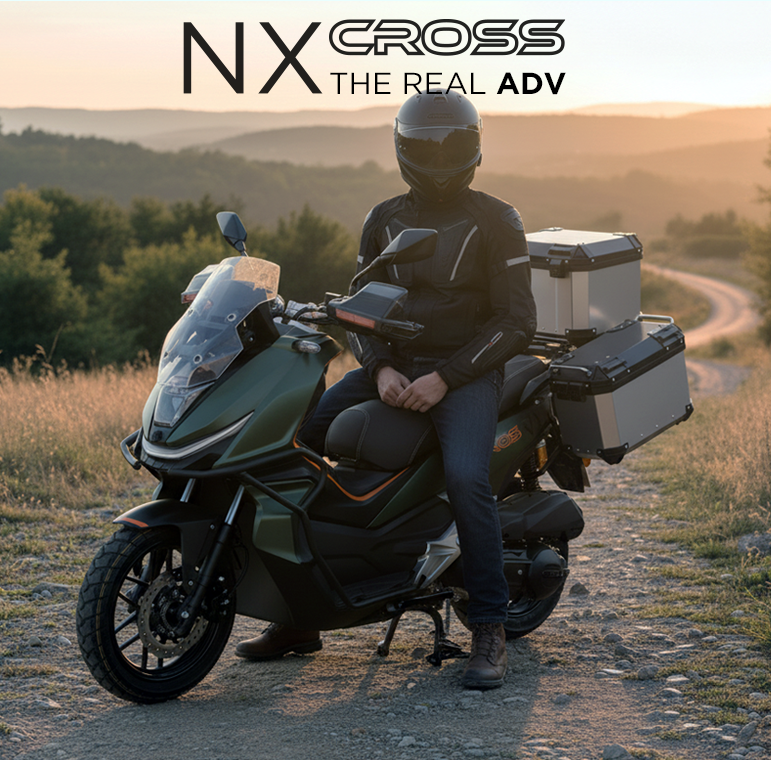

Jumpy S, estilo que mueve la ciudad


Si no te lo crees...
Descúbrelo tú mismo
Compara cualquiera de nuestros modelos
| Facet |
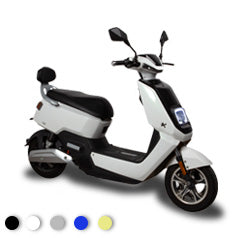
NX¹
|

NXPlus LS
|
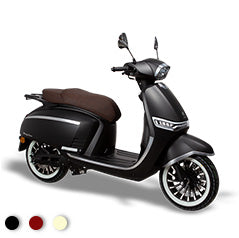
MOJITO
|
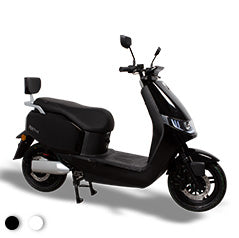
NXPLUS
|
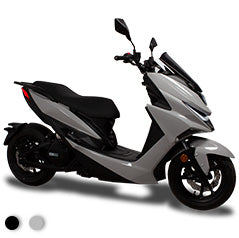
NX²
|
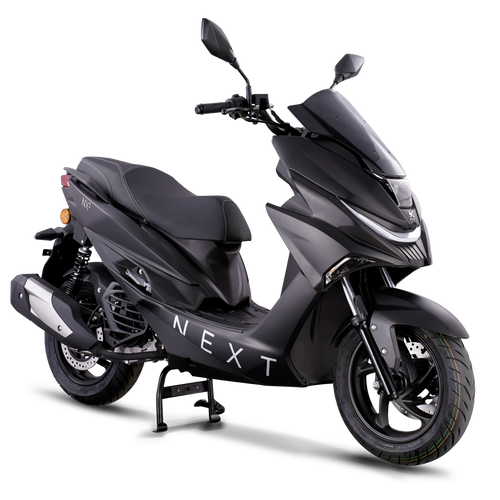
NX² 125i
|
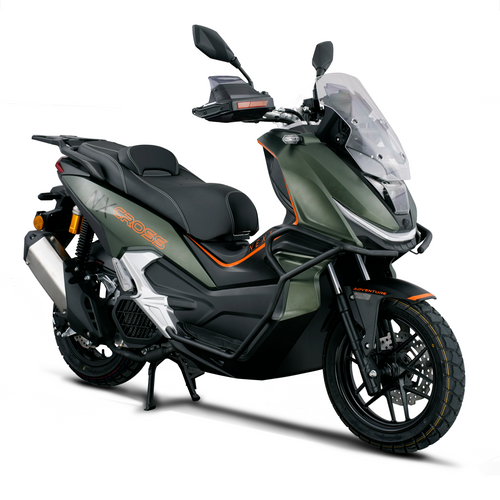
NXCross 125i
|
|---|---|---|---|---|---|---|---|
| Precio: | 1.899€ | 2.199€ | 3.499€ | 3.499€ | 6.499€ | 2.399€ | 2.999€ |
| Motor: | Brushless de 0,8 kW y potencia máxima 1,7 kW | Brushless de 1,2kW y potencia máxima 2 kW | Brushless de 3,5 kW y potencia máxima 4,6 kW | Brushless de 4 kW y potencia máxima de 4,8 kW | Brushless de 10 kW y potencia máxima 15 kW | Monocilíndrico 4T, refrigeración forzada por aire con 9,5cv de potencia | Monocilíndrico 4T, refrigeración líquida con 14,5cv de potencia |
| Fuente de energía: | Batería Extraíble 60V20Ah | Batería extraíble de 72V25 Ah | Batería Extraíble 72V55Ah | Batería Extraíble 72V25Ah | x2 baterías | Batería Fija 72V120Ah | Gasolina | Gasolina |
| Autonomía: | Hasta 65 km | Hasta 250 km con 2 baterías | Hasta 200 km con 2 baterías | Hasta 220 km | Hasta 200 km | Hasta 300 km con 1 depósito | Hasta 460 km con 1 depósito |
| Velocidad: | 45 km/h | 45 km/h | 90 km/h | 90 km/h | 130 km/h | 100 km/h | 110 km/h |
| CONFIGÚRALA | CONFIGÚRALA | CONFIGÚRALA | CONFIGÚRALA | CONFIGÚRALA | DESCÚBRELA | DESCÚBRELA |
No te quedes con dudas

Motor: Monocilíndrico, 4 tiempos, 4 válvulas.
Velocidad máxima: 99 km/h
Neumáticos: 100/80-16 (delantero) | 120/70-14 (trasero)
Freno delantero: Disco hidráulico de 260 mm + ABS
Freno trasero: Disco hidráulico de 218 mm + ABS
Depósito de combustible: 9,5 L aprox.
Sistema de frenado: ABS + control de tracción TCS
Consumo: 2,4 L/100 km
Dimensiones: 2035 × 690 × 1200 mm
Potencia: 14,7 CV (10,8 kW)
Cilindrada: 125 cc
Peso en orden de marcha: 145 kg
Transmisión: CVT automática
Tipo de arranque: Sistema keyless con llave de proximidad
Distancia entre ejes: 1425 mm
Alimentación: Inyección electrónica EFI
Pantalla: Display digital
Extras: Alarma, USB tipo C, sistema keyless y TCS
Garantía: 5 años / 20.000 km
📊 Display digital con información de conducción.
🔑 Sistema KEYLESS con llave de proximidad y alarma.
🛑 Frenos de disco con ABS en ambas ruedas.
🛡️ Control de tracción TCS para mayor seguridad.
🔋 Batería de 12V y 8,6 Ah.
⚙️ Transmisión automática CVT.
🔌 Puerto de carga USB tipo C (5V / 2A).
🛞 Rueda delantera de 16" y trasera de 14".
⛽ Depósito de combustible de 9,5 litros aprox.
📦 Posibilidad de instalar baúl trasero homologado.
Descarga nuestros manuales

Join the NEXT community!
Subscribe to our newsletter to be up to date